The Range.
Documented Formulations.
Eighty-three formulations across five categories, each entry comprising a full ingredient profile, sourcing documentation, compositional rationale, and third-party verification status. Browse by category or review individual entries for detailed breakdown.
Mineral Complexes
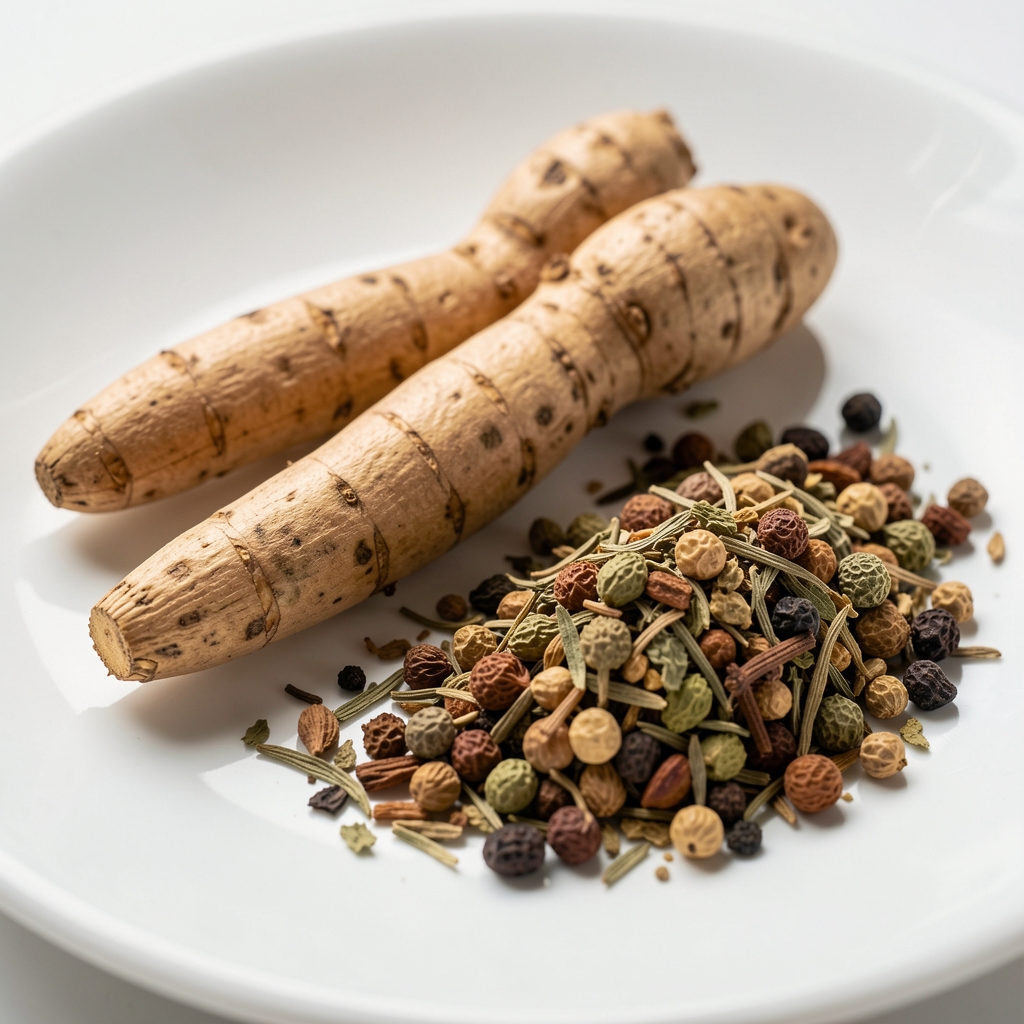
Zinc-Magnesium Foundations
Formulations combining zinc and magnesium in complementary ratios, assessed for elemental sourcing and dissolution profile. Coverage includes oxide, citrate, bisglycinate, and malate forms. Each entry documents the bioavailability rationale for the chosen mineral salt.

Trace Element Profiles
Selenium, manganese, chromium, and iodine formulations catalogued individually and in multi-trace blends. Entries note the sourcing form — yeast-bound, amino acid chelate, or inorganic salt — alongside the documented compositional rationale for inclusion at the stated concentration.
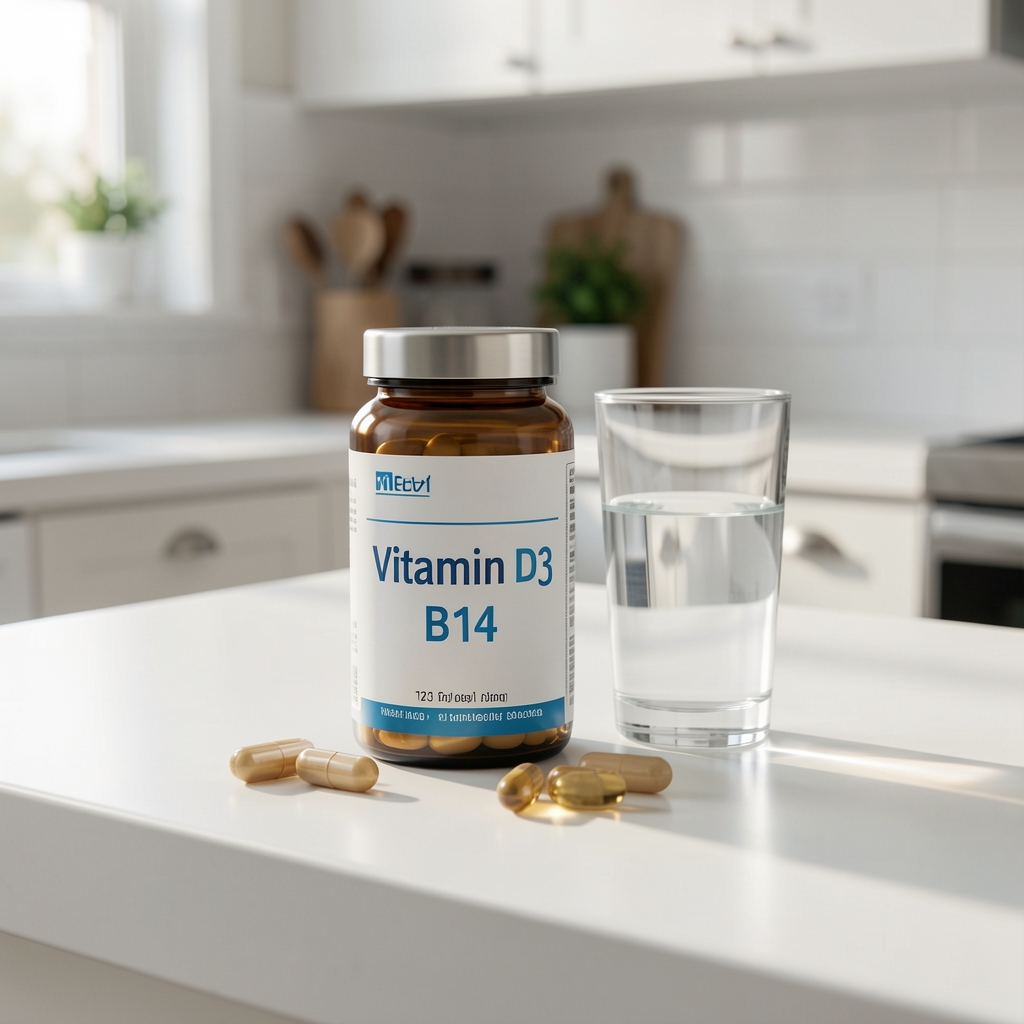
D3 / K2 Combination Entries
Vitamin D3 formulations catalogued both as single-ingredient entries and in combination with K2 (MK-7 and MK-4 variants). Entries cover cholecalciferol concentration per daily serving, sourcing origin (lanolin vs. lichen), and co-factor rationale where stated by the formulator.
Plant-Based Blends
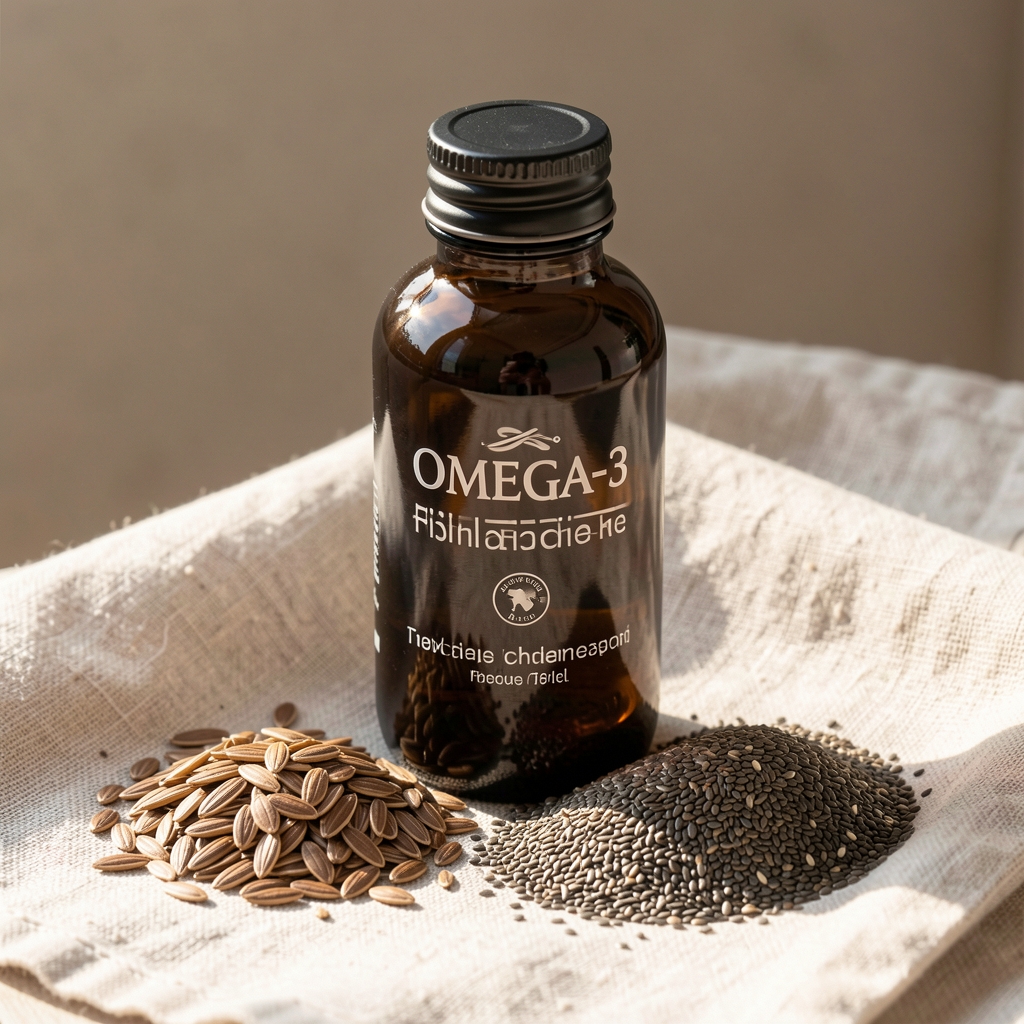
Green Concentrate Formulations
Catalogue entries for spirulina, chlorella, barley grass, and wheatgrass concentrates. Each entry records the drying method, concentration ratio, and declared nutrient density per standard serving. Vitamin C content noted: supports the normal function of the immune system.
Berry and Fruit Extracts
Polyphenol-rich berry extracts assessed for standardisation ratio — the extract-to-raw-material ratio that governs active compound concentration. Entries note the flavonoid or anthocyanin profile where disclosed by the manufacturer.
Curcumin and Bioavailability Enhancers
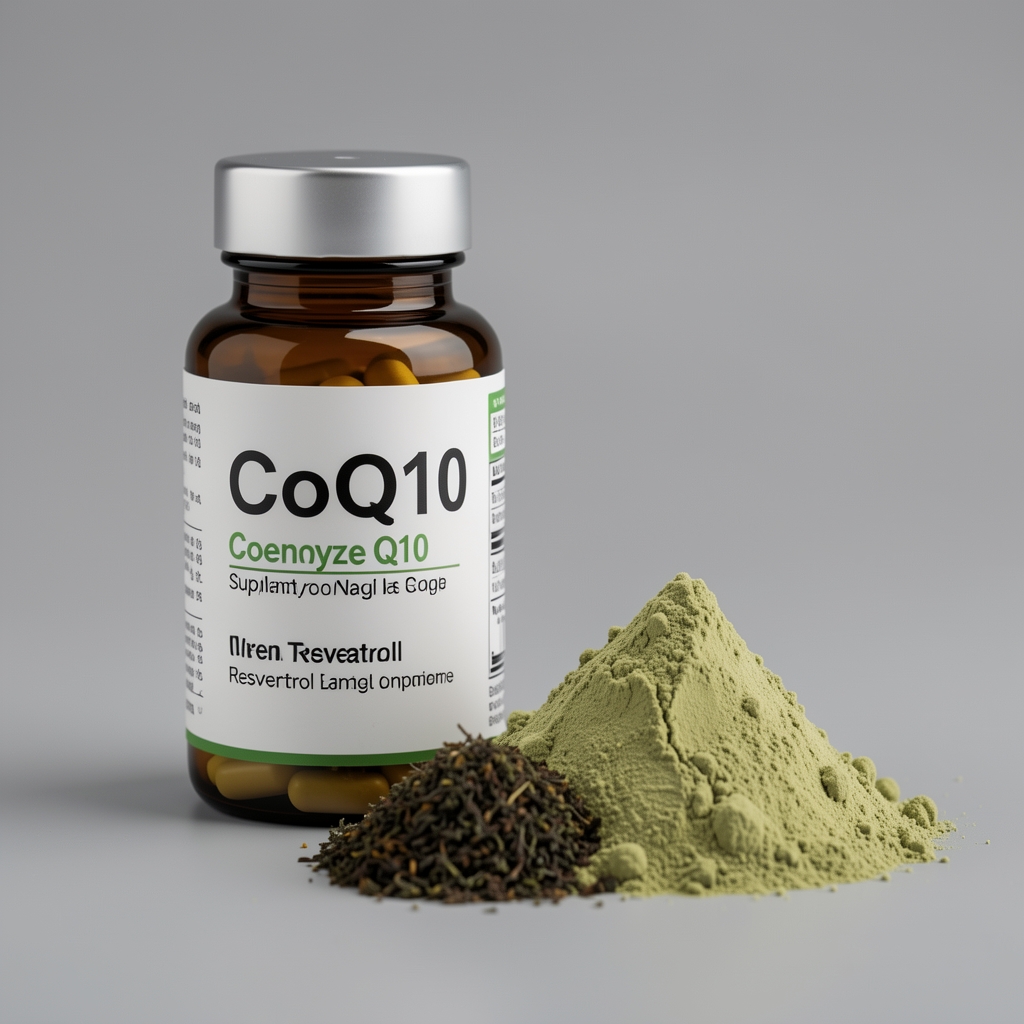
Turmeric extract entries focus on curcuminoid concentration and the co-formulation approach used to support absorption — piperine (black pepper extract), phospholipid complex, or micellar delivery. The chosen approach and its documented rationale are recorded per entry.
Polyphenol Concentration Profiles
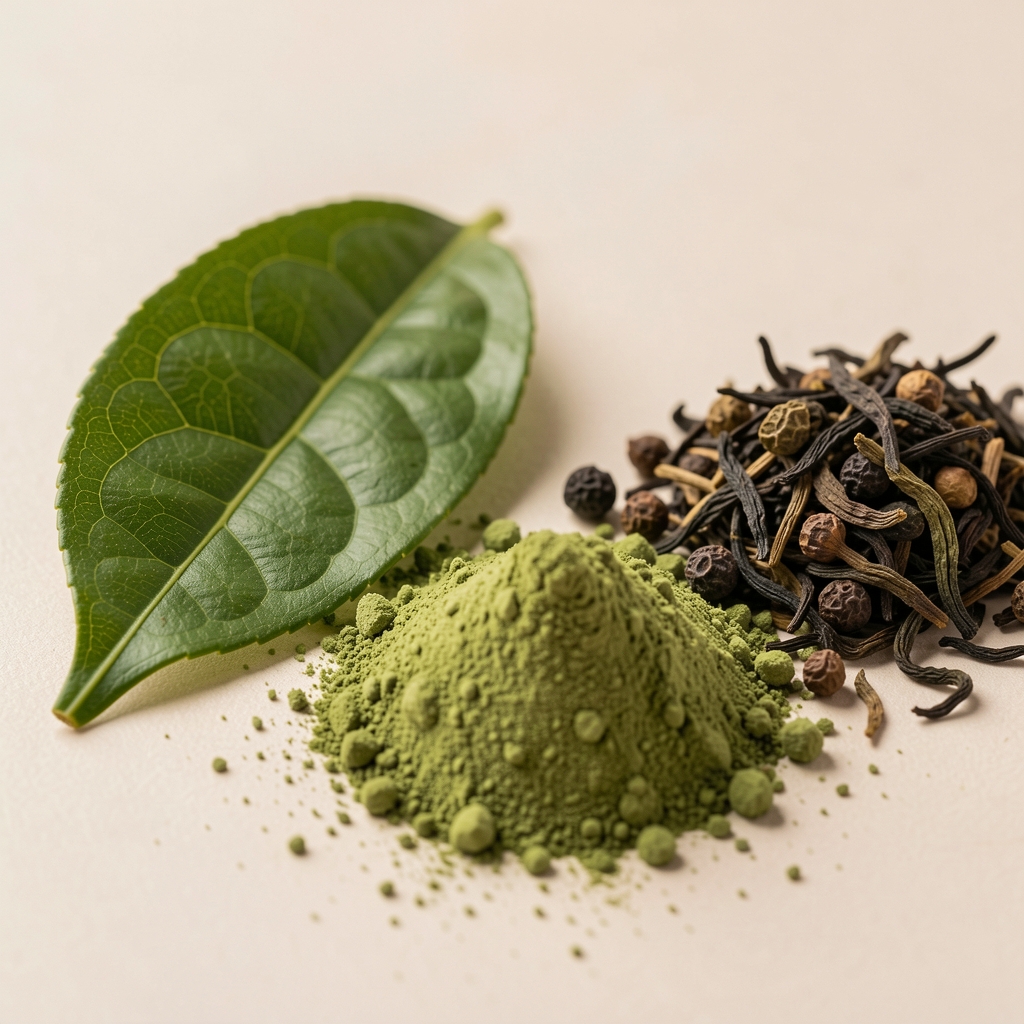
Green tea, pomegranate, and grape seed extract entries with attention to EGCG, ellagitannin, and proanthocyanidin concentrations respectively. Entries distinguish between standardised extracts and full-spectrum preparations where the formulator has disclosed the distinction.
Adaptogen Blend Profiles
Ashwagandha Formulations
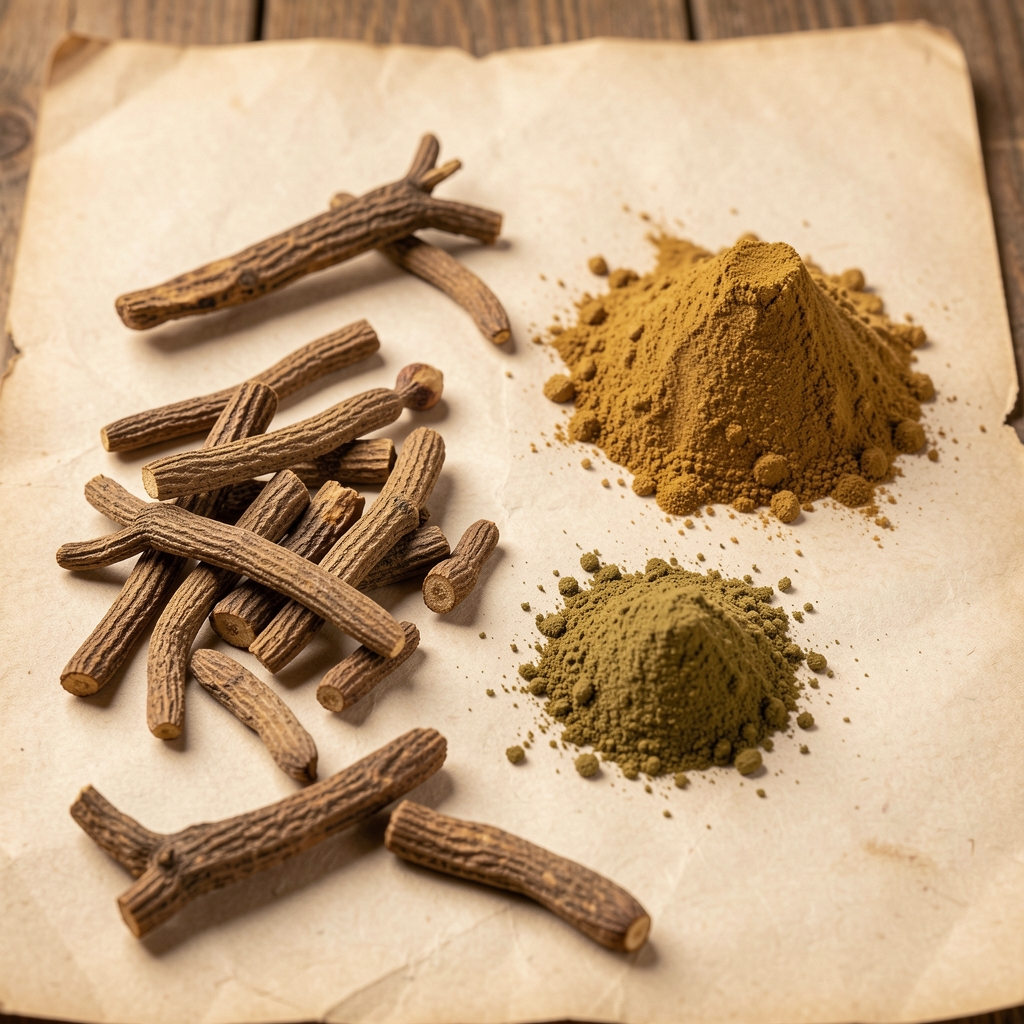
Six ashwagandha entries covering whole-root powder, KSM-66 standardised extract, and Sensoril (ashwagandha leaf and root concentrate). Active withanolide content, root-to-extract ratio, and any co-formulated nutrients are recorded per entry.

Functional Mushroom Entries
Reishi, lion's mane, cordyceps, and chaga entries distinguishing between fruiting-body and mycelium-on-grain preparations. Beta-glucan content and the extraction method used (hot water, alcohol, or dual extraction) are the primary recorded variables.
Rhodiola and Eleuthero Profiles
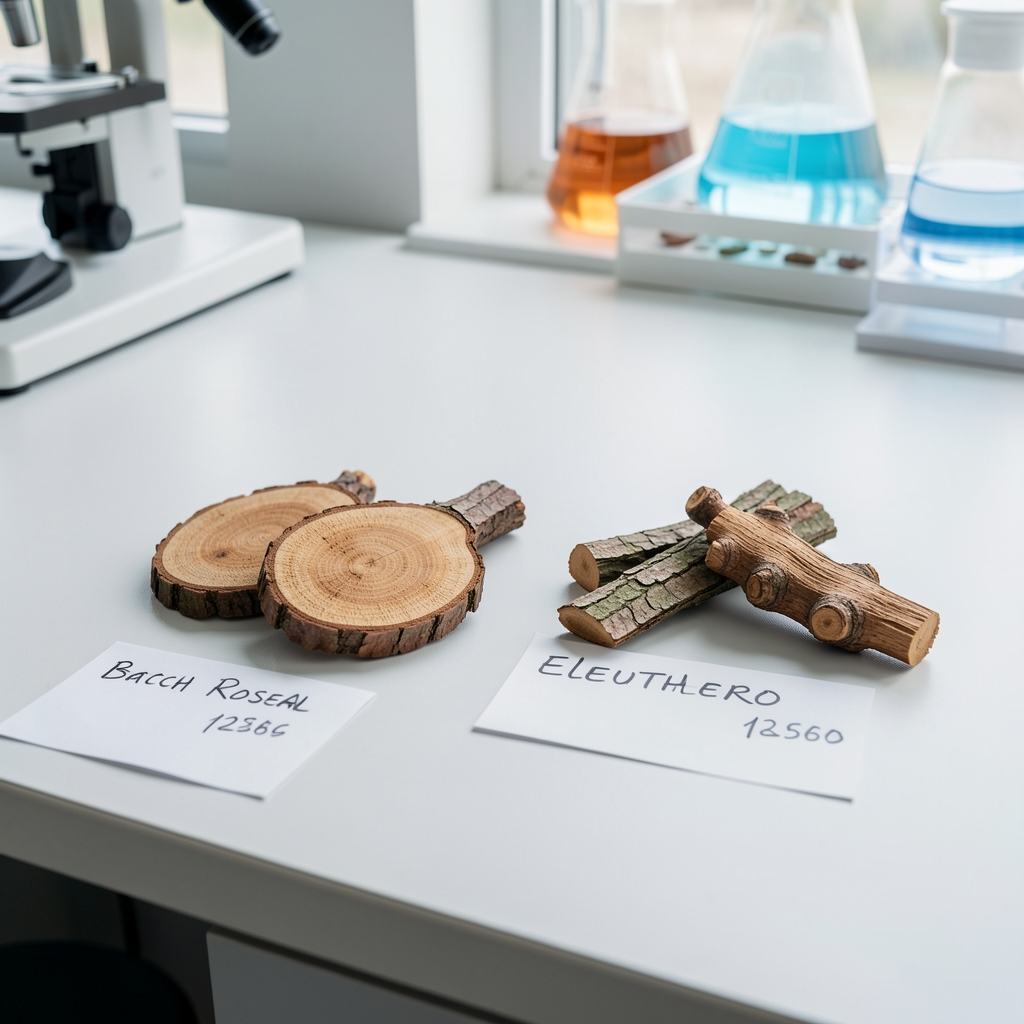
Rhodiola rosea entries note rosavin and salidroside ratios alongside the 3:1 standardisation benchmark common in published nutritional research. Eleuthero (Siberian ginseng) entries focus on eleutherosides B and E as the primary documented active compounds.
Whole-Food Concentrates
Whole-food sourced formulations in which the nutritional matrix is derived from recognisable food sources rather than isolated active compounds. Catalogue entries identify the base food, the concentration method employed, and the resulting nutrient density relative to the whole food.
Cruciferous vegetable concentrates (broccoli, kale, and cabbage powders) with sulforaphane precursor documentation where available.
Fermented food extracts — fermented barley, kefir powder, and fermented green tea — documented for prebiotic fibre content and fermentation substrate.
Dried organ and glandular food concentrates, documented for their naturally occurring vitamin B12: contributes to normal energy production.
Daily Composite Blends
Multi-ingredient formulations designed to serve as a single daily serving covering multiple nutritional categories simultaneously. Entries assess the internal compositional logic — whether the included ingredients complement or duplicate one another — and note any potential nutrient interactions documented in published nutritional research.
B-complex dominant composites with CoQ10: involved in cellular energy production — a common co-inclusion in active-lifestyle formulations.
Omega-3 plus fat-soluble vitamin composites, noting the EPA:DHA ratio and the molecular form of the accompanying fat-soluble vitamins (retinyl palmitate vs. beta-carotene for vitamin A).
Probiotic-inclusive daily blends with documented CFU counts, strain identification to species level, and shelf-life stability data where disclosed by the manufacturer.